Menopause can throw a wrench in your daily life. Many women experience menopause memory loss and focus problems during this time. But don't worry; there are simple tips to help you regain your sharpness!
First off, make sure you're eating the right foods. Incorporate brain-boosting options like berries, fatty fish, and leafy greens into your meals. These foods for brain fog menopause can really make a difference. They’re full of antioxidants and omega-3s that support brain health, helping you fight the fog and improve memory.
Next, stay hydrated. Even mild dehydration can affect your focus. Keep a water bottle handy and sip throughout the day. Aim for at least eight glasses of water daily. You’ll notice a boost in your mental clarity as well as your energy levels.
Also, consider adding vitamins for memory menopause to your daily routine. B vitamins, vitamin E, and omega-3 supplements can support your brain function. Just remember to talk to your healthcare provider before starting any new supplement.
Lastly, don’t underestimate the power of a good night’s sleep. Quality sleep is essential for improving memory and focus, especially during menopause. Create a calming bedtime routine, stick to a sleep schedule, and make your bedroom a comfy, tech-free zone. Following these tips will help tackle menopause focus problems, boost your mood, and keep your memory sharp!
Memory Boosting Foods to Try
If you're experiencing menopause memory loss or facing menopause focus problems, you're not alone. A lot of women notice changes in memory and concentration during this time. One of the best ways to tackle this issue is through your diet. Here are some memory-boosting foods to try that can help improve memory during menopause.
Fatty Fish: Fatty fish like salmon, mackerel, and sardines are packed with omega-3 fatty acids. These healthy fats are crucial for brain health and may help protect against cognitive decline. So, if you're wondering how to improve memory menopause, adding more fish to your meals can be a game changer.
Berries: Blueberries, strawberries, and blackberries are rich in antioxidants. These little berries might help reduce inflammation and improve communication between brain cells. Incorporating these into your diet can be a delicious way to tackle those foods for brain fog menopause.
Nuts and Seeds: Almonds, walnuts, and pumpkin seeds contain healthy fats, vitamins, and minerals that support brain function. Snacking on these can be a simple way to get the vitamins for memory menopause that your body needs.
Leafy Greens: Spinach, kale, and broccoli are full of nutrients that can boost brain health. They are rich in vitamins E and K, which are thought to be beneficial for enhancing memory and cognition. Adding a side of greens to your plate is an easy step towards fighting those pesky menopause memory loss symptoms.
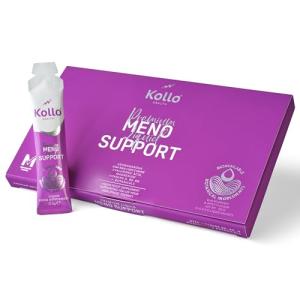
Kollo Menopause Supplements for Energy and Balance
Feel energized and find your balance again with these easy-to-take supplements designed just for you
Product information
$44.62
Product Review Score
4.63 out of 5 stars
109 reviewsProduct links
Mindfulness Techniques for Better Concentration
Struggling with menopause memory loss can be frustrating, but you’re not alone. Many women face menopause focus problems that make it tough to concentrate on daily tasks. One effective way to tackle this is through mindfulness techniques. These practices help calm your mind, clear away distractions, and improve your overall focus.
Start with simple breathing exercises. Just take a few moments each day to sit quietly and breathe deeply. Inhale through your nose, hold for a second, and exhale through your mouth. This might seem basic, but it can help reduce stress and enhance your mental clarity, making it easier to manage those pesky menopause memory loss symptoms.
Meditation is another powerful tool. Even just five to ten minutes can make a big difference. Find a quiet space, close your eyes, and focus on your breath. If your mind wanders, gently bring your attention back to your breathing. Regular meditation can significantly boost your focus and may even help with those brain fog moments that many women experience during menopause.
In addition to mindfulness, certain foods and vitamins can help with brain function. Foods for brain fog menopause include fatty fish, berries, and leafy greens. Omega-3 fatty acids play a crucial role in brain health. Also, consider vitamins for memory menopause like B vitamins and vitamin D. Pair these with your mindfulness techniques, and you’re setting yourself up for better focus and retention.
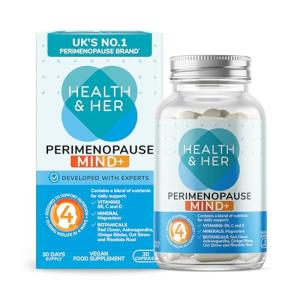
Mind+ Supplements for Women with Ashwagandha & Red Clover
Support your body and mood naturally during menopause with these powerful herbal supplements
Product information
$29.99 $19.40
Product Review Score
4.53 out of 5 stars
119 reviewsProduct links
Healthy Habits to Sharpen Your Mind
Going through menopause can feel like a wild ride, especially when it comes to focus and memory. It’s all too common to experience menopause memory loss or those pesky menopause focus problems. But don’t worry! There are simple habits you can adopt to keep your mind sharp and your thoughts clear.
First off, let’s talk about nutrition. What you eat plays a big role in how well your brain functions. Incorporate foods for brain fog menopause like berries, fatty fish, nuts, and leafy greens. These foods are packed with antioxidants and omega-3 fatty acids, which support brain health. Drinking plenty of water is also key—staying hydrated helps improve concentration and mental performance.
Next up is regular exercise. It’s a game changer! Moving your body releases endorphins and boosts blood flow to the brain. Try going for a walk, joining a dance class, or even doing yoga. You don’t need to run a marathon; just getting up and moving can significantly help with those menopause focus problems.
Another important aspect is managing stress. Meditation, mindfulness, and deep-breathing exercises can really help clear your mind. Taking some time each day for relaxation helps combat those frustrating moments of menopause memory loss. You’d be surprised at how just a few minutes of peaceful time can enhance your focus.
Lastly, consider adding vitamins for memory menopause to your routine. Supplements like vitamin D, B-complex, and omega-3 can support cognitive function. If you're unsure about which ones to take, chatting with a healthcare provider can guide you in the right direction. Implementing these healthy habits can make a noticeable difference in how you feel during this transitional period.