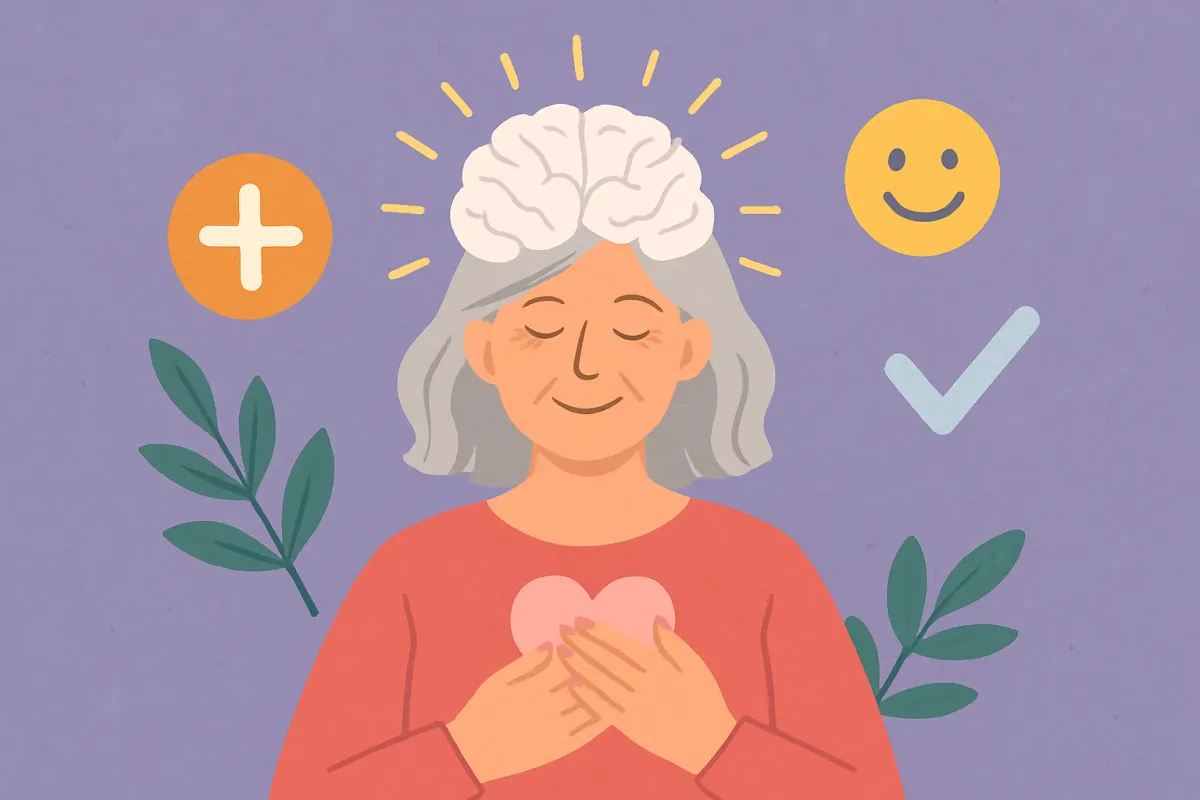
Mood swings can feel like a rollercoaster ride during menopause. One minute you're feeling great, and the next, you're frustrated or down. It's totally normal, but managing those ups and downs is key to your mental health during menopause. Here are some practical tips to help you stay calm and centred.
First off, don't underestimate the power of a good routine. Keeping a consistent sleep schedule can make a big difference. Try to go to bed and wake up at the same time every day. Quality sleep helps balance your hormones, making your mood swings less intense.
Next, consider getting active. Exercise can boost your mood naturally. Whether it's a brisk walk, yoga, or dancing in your living room, moving your body releases those feel-good endorphins. Aim for at least 30 minutes of activity a few times a week, and you might notice a positive shift in how you feel.
Don't forget about your diet. Eating a well-balanced diet rich in fruits, veggies, and whole grains can support your overall well-being during menopause. Foods rich in omega-3 fatty acids, such as salmon and walnuts, can be beneficial for mood regulation. Stay hydrated, too—sometimes a slight dehydration can make you feel cranky!
Lastly, talk it out. Connecting with friends or joining a support group can be a huge help. Sharing your feelings and experiences can lighten your load. You'll realise you're not alone in this journey, and having that support can really boost your mental health during menopause.
Practice Mindfulness Every Day
Life during menopause can be a wild ride, with emotions swinging up and down. Practising mindfulness every day can be a game-changer for your mental health and menopause. It helps you stay grounded and manage stress better, allowing you to find calm even on the toughest days.
Mindfulness is all about being present. You don't need to sit in silence for hours or chant mantras. Just taking a few moments each day to focus on your breath can work wonders. Try sitting quietly for five minutes, close your eyes, and focus on your breathing. Notice the rise and fall of your chest. When your mind wanders (and it will), gently guide it back to your breath.
Another easy way to practice mindfulness is through everyday activities. Whether you're sipping your morning coffee or going for a walk, really pay attention. Notice the warmth of the cup in your hands or the sounds of nature around you. Engaging your senses helps you stay in the moment and boosts your mental health during menopause.
Journaling can also be a powerful tool. Spend a few minutes each evening writing down your thoughts and feelings. This not only helps clear your mind but also gives you a better perspective on what you're experiencing. You might find patterns in your mood or triggers that you hadn't noticed before. It's all about understanding yourself better and taking charge of your mental health.

High Strength Sage Tablets for Menopause Relief 4000mg
Support your body's natural balance and ease menopause symptoms with these powerful sage tablets
Product information
$12.71 $10.81
Product Review Score
4.65 out of 5 stars
214 reviewsProduct links
Stay Active for Better Mental Health
Staying active isn't just about keeping your body fit; it's a game-changer for your mental health during menopause. You might not feel like it with all the changes going on, but incorporating movement into your routine can lift your spirits and boost your confidence. Whether it's a brisk walk, a dance class, or gentle yoga at home, simply getting up and moving can make a significant difference.
Exercise releases endorphins, those feel-good chemicals that can lighten your mood. It can also reduce stress and anxiety, which often spike during menopause due to hormonal changes. Additionally, when you stay active, you're not just focusing on what's going on inside your head; you're also giving yourself a chance to focus on your body. This mind-body connection is super essential for managing mental health during menopause.
If you're unsure where to start, try to find activities that genuinely bring you joy. Some people love group classes, while others might prefer a solo walk in the park. Here are a few options to consider:
- Walking or jogging in your neighbourhood
- Dancing to your favourite tunes in your living room
- Joining a Pilates or yoga class
- Swimming at your local pool
- Taking up cycling with friends
Remember, the goal is to get your body moving and find joy in it. Even short bursts of activity throughout your day can help clear your mind and keep those positive vibes flowing. So, don't hesitate to give it a try. You might find that a little movement goes a long way for your mental health during menopause!
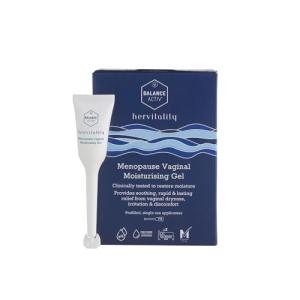
Balance Activ Menopause Moisture Gel for Vaginal Relief
Say goodbye to discomfort and hello to soothing relief with this easy-to-use moisture gel designed just for you
Product information
$14.86 $9.91
Product Review Score
4.41 out of 5 stars
150 reviewsProduct links
Connect with Supportive Friends and Family
When dealing with mental health during menopause, leaning on your friends and family can make a big difference. Having a supportive circle is so important. It's comforting to share your feelings and experiences with people who care about you. They can offer a listening ear, a shoulder to cry on, or simply some company when you need it most.
Reach out to loved ones who understand what you're going through. Sometimes, simply discussing your symptoms can lift a weight off your shoulders. Not everyone may fully get what menopause feels like, but those who've been through it can share insights that might help you feel less alone. Plus, laughing with a good friend always lightens the mood.
Consider setting up regular catch-ups, whether in person, over the phone, or even through video chats. Maybe plan a fun night in with snacks and your favourite movies. Or start a walking group to get some fresh air and exercise while chatting. The important part is to create that space where you can express yourself and find comfort in connection.
Don't hesitate to tell your friends and family how they can help you. Perhaps you need someone to join you for a yoga class, or maybe you'd love a buddy to talk to after a tough day. Open communication will not only help you, but it will also strengthen those relationships, creating a network of understanding as you navigate mental health menopause together.