
Imagine Sarah, a 47-year-old mother of two, recovering from a hysterectomy. On her first night home, she wakes up drenched in sweat, her heart racing as if she has run a marathon. This is not unusual. Surgical menopause often begins suddenly, with night sweats, flushes, or mood changes that can catch you off guard. Although these operations are sometimes necessary, many women feel unprepared for the physical and emotional changes that follow.
If this sounds familiar, you are not alone. There are proven treatments, lifestyle strategies, and sources of support to help you manage this transition. This article explains what surgical menopause is, how it differs from natural menopause, and the available care options in the UK.
What Is Surgical Menopause?
Natural vs Surgical Menopause
Natural menopause happens when the ovaries gradually reduce hormone production. Periods slow down over months or years before eventually stopping.
Surgical menopause is different. It occurs when both ovaries are removed (bilateral oophorectomy), sometimes in conjunction with the uterus (hysterectomy). Because the ovaries are the primary source of oestrogen and progesterone, their removal triggers a sudden and complete drop in hormone levels.
Some women have a hysterectomy but keep one or both ovaries. In that case, menopause may still occur later, but this is not classed as surgical menopause.
How Common Is It in the UK?
-
Around 9.8% of women in the UK Biobank study reported experiencing surgical menopause.
-
In the Million Women Study, 8.6% had a hysterectomy without both ovaries removed.
-
Approximately 55,000 hysterectomies are performed each year in the UK, though not all cause surgical menopause.
-
Estimates suggest that 1 in 5 to 2 in 5 women will have a hysterectomy by age 60.
Surgical menopause is therefore more common than many people realise, yet most public discussions focus on natural menopause.
Why Surgical Menopause Creates a Care Gap
Surgical menopause usually arises because of another health concern, such as fibroids, endometriosis, or preventive surgery for cancer risk. Menopause itself is rarely the primary focus before the operation.
This often means women receive little information about what to expect. The sudden drop in hormone levels is more like falling off a cliff than walking down a gentle slope. Symptoms can be more severe, yet most advice is geared towards natural menopause.
Younger women face an even greater gap, as early menopause increases long-term risks for bone, heart, and brain health.
Unique Challenges of Surgical Menopause
Sudden and Severe Symptoms
Hot flushes, night sweats, brain fog, mood swings, and poor sleep can appear almost overnight. Instead of a slow change, it may feel like full menopause within days.
Bone Health and Osteoporosis Risk
Early loss of oestrogen accelerates bone loss. Research indicates that bone density can decrease by up to 2% per year in the first five years following surgery, thereby increasing the risk of fractures. Early monitoring and prevention are vital.
Cardiovascular Health
Without oestrogen, cholesterol and blood pressure can change, raising the risk of heart disease at a younger age.
Mood, Memory and Mental Health
The abrupt hormone shift increases risks of anxiety, low mood, depression, and memory problems. Many women describe this as overwhelming and isolating.
Intimacy and Sexual Health
Vaginal dryness, discomfort during sex, and low libido can begin quickly, affecting relationships and self-confidence.
Lack of Continuity in Care
Many women say they were not counselled about menopause before surgery or felt dismissed in follow-up care. This can leave them struggling to cope without guidance.
Emotional and Identity Impact
Surgical menopause can bring a sudden sense of loss — fertility, body image, or a part of identity. These feelings deserve as much attention as physical symptoms.
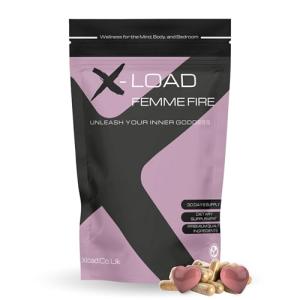
Femme Fire Libido Booster for Women – 30 Capsules
Boost your desire and enhance your intimate moments with this natural formula designed for women
Product information
$32.44
Product Review Score
4.92 out of 5 stars
45 reviewsProduct links
Evidence-Based Solutions and Treatments
Hormone Replacement Therapy (HRT)
HRT is the most effective treatment for managing surgical menopause:
-
Oestrogen-only HRT is recommended for women who no longer have a uterus.
-
Combined HRT (oestrogen and progestogen) is used if the uterus is intact.
-
HRT can be taken in various forms, including tablets, patches, gels, or sprays, depending on personal preference and health factors.
-
Low-dose vaginal oestrogen (cream, ring, pessary) can relieve dryness without raising overall hormone levels.
-
Hormone implants are available but not licensed in the UK, except under specialist care.
The British Menopause Society (BMS) Surgical Menopause Toolkit emphasises the importance of planning support before surgery. For younger women, the benefits of HRT often outweigh risks when started soon after surgery and reviewed regularly.
Always discuss medical history with your GP or menopause specialist to ensure safe treatment, particularly if you have a history of hormone-sensitive cancers, blood clots, or liver problems.
Lifestyle, Diet and Exercise
Even with HRT, lifestyle choices matter:
-
Weight-bearing exercise, such as brisk walking or stair climbing, helps protect bones.
-
A balanced diet with vegetables, lean protein, whole grains, and healthy fats.
-
Limiting alcohol and caffeine, which can worsen hot flushes.
-
Good sleep habits — a cool, quiet bedroom and regular schedule.
-
Stress management through mindfulness, breathing exercises, or gentle yoga.
-
Adequate calcium and vitamin D, supplemented as advised.
-
Stopping smoking, as it speeds bone and vascular decline.

Health & Her Multivitamin for Women on HRT
A complete multivitamin designed to support women taking hormone replacement therapy
Product information
$22.98 $21.95
Product Review Score
4.11 out of 5 stars
22 reviewsProduct links
Non-Hormonal Options
If HRT is unsuitable or not preferred, alternatives include:
-
Certain antidepressants (SSRIs, SNRIs) reduce hot flushes.
-
Gabapentin is sometimes used off-label for flushing.
-
Vaginal moisturisers and lubricants for dryness.
-
Cognitive behavioural therapy (CBT) for mood, anxiety, or sleep problems.
-
Complementary therapies such as acupuncture or phytoestrogens — only under professional advice.
Unregulated compounded “bioidentical” hormones are not recommended, as licensed treatments are safer and more reliable.
Monitoring Long-Term Health
Surgical menopause requires regular review:
-
DEXA scans for bone density.
-
Blood pressure and cholesterol monitoring.
-
Mental health check-ins.
-
Ongoing adjustment of HRT dose and method.
How to Advocate for Yourself
-
Ask your GP for a referral to a menopause specialist if they are unsure.
-
Request pre-surgery counselling if your procedure is elective or preventive.
-
Get a written menopause plan after surgery, covering medication, monitoring, and follow-up.
-
Keep a symptom diary to share with your healthcare provider at appointments.
-
Use trusted sources such as the British Menopause Society, RCOG, and The Menopause Charity.
-
Join peer groups online or in person for shared support and guidance.
-
Speak up if your symptoms are minimised. Clear, firm requests for evaluation can make a difference.
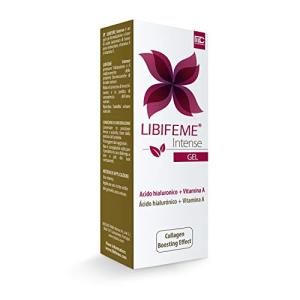
LBIFEME Intense Gel for Vaginal Moisture Relief
Say goodbye to discomfort and hello to hydration with this soothing gel designed specifically for menopause relief
Product information
$16.85
Product Review Score
4.97 out of 5 stars
80 reviewsProduct links
Outlook and Research Gaps
Awareness of surgical menopause is increasing, and guidance is improving, but gaps remain:
-
Few clinical trials focus solely on surgical menopause.
-
Long-term data on HRT use in younger women is limited.
-
More research is needed on non-hormonal options.
-
Psychological support services are underdeveloped.
On the positive side, peer support and charities such as The Menopause Charity, as well as communities like HealthUnlocked, are helping women share their experiences, reduce isolation, and advocate for better recognition.
Questions Women Often Want Answered
What is the difference between surgical and natural menopause?
Natural menopause occurs gradually as the ovaries gradually slow down hormone production. Surgical menopause occurs suddenly when both ovaries are removed, usually with stronger symptoms.
How can I know which HRT or non-hormonal treatment is safest and most effective for my situation?
This depends on your age, medical history, and the type of surgery you had. A menopause specialist or experienced GP will assess factors such as cancer risk, clotting history, liver health, and family history before recommending treatment. If HRT is not suitable, options like antidepressants, gabapentin, or CBT may be discussed. Always ask for a personalised risk–benefit explanation.
Can I have HRT after a hysterectomy or oophorectomy?
Yes. Oestrogen-only therapy is standard if the uterus is removed, while combined HRT is used if it remains. Always discuss benefits and risks with a specialist.
How do I find and access a menopause specialist or NHS menopause clinic near me?
You can ask your GP for a referral to an NHS menopause clinic. Some clinics accept self-referrals, but most require a GP letter. The British Menopause Society website lists accredited specialists across the UK. If NHS waiting times are long, private options are also available; however, it is essential to check that the doctor has undergone menopause training and is registered with the GMC.
How does surgical menopause affect bone and heart health?
The early loss of oestrogen raises risks of osteoporosis and heart disease. Monitoring, lifestyle changes, and HRT, where appropriate, are necessary.
How often should I have bone density or heart health checks after surgical menopause?
Bone health is typically assessed with a DEXA scan within the first few years after surgery and repeated every 2–5 years, depending on the results. Heart health should be monitored more regularly: annual blood pressure and cholesterol checks are standard. If you have additional risks, your GP may recommend more frequent reviews.
Are there non-hormonal treatments available to help alleviate symptoms?
Yes. Options include certain antidepressants, gabapentin, vaginal moisturisers, and CBT.
What emotional or psychological support services are available, and how do I access them?
Many NHS trusts offer counselling or psychological services for women dealing with menopause or surgical recovery. Charities such as The Menopause Charity and forums like HealthUnlocked provide peer support. If symptoms are affecting daily life, ask your GP for a referral to NHS talking therapies (IAPT) or a mental health team. Private therapy is another option if you prefer faster access to treatment.
Where can I get specialist menopause support in the UK?
Trusted sources include the British Menopause Society, NHS menopause clinics, and The Menopause Charity.
What should I ask my doctor before surgery to ensure I am prepared for surgical menopause?
-
Will both ovaries be removed, and what does that mean for me?
-
What support will I get afterwards for menopausal symptoms?
-
Should I start HRT immediately after surgery, and what type is best?
-
What long-term monitoring will I need for bones, heart, and mental health?
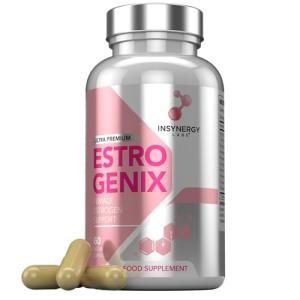
EstroGenix Estrogen Tablets for Hormone Balance 60 Capsules
Support your hormone balance and embrace this new chapter with confidence using EstroGenix
Product information
$39.21
Product Review Score
4.18 out of 5 stars
30 reviewsProduct links
Summary and Key Takeaways
Surgical menopause is not the same as natural menopause. The sudden loss of hormones can cause intense symptoms and increase long-term health risks. Many women feel unsupported, but effective treatments and lifestyle strategies are available to support them.
-
HRT is often safe and effective, especially in younger women after surgery.
- Surgical menopause causes sudden, intense symptoms and unique health risks.
-
Lifestyle changes are essential for bone, heart, and mental health.
- HRT and lifestyle changes are key treatments, but non-hormonal options exist.
-
Non-hormonal treatments provide alternatives where HRT is not suitable.
-
Advocacy, peer support, and specialist care can improve outcomes and wellbeing.
You do not have to face surgical menopause alone. With the right medical advice, healthy routines, and emotional support, it is possible to protect your health and quality of life.